
Key points at a glance
- The PPWR covers all packaging placed on the EU market, regardless of material, use or place of manufacture. This includes unit packaging, grouped packaging and transport packaging.
- For imports from outside the EU, importers must ensure that packaging used by suppliers meets the new requirements on material composition, restricted substances, recyclability and minimisation of packaging material.
- From 12 August 2026, key administrative and documentation requirements for importers will apply. On the same date, restrictions on PFAS in food-contact packaging and limits on heavy metals in packaging materials will also become relevant.
- The next phase is 12 August 2028, when harmonised labels to support packaging sorting are planned to apply. From 1 January 2030, all packaging must meet recyclability requirements. For certain transport and e-commerce packaging, the empty space ratio must not exceed 50%.
What is PPWR?
PPWR stands for Packaging and Packaging Waste Regulation. It is the EU regulation that sets common rules for packaging and packaging waste across the European Union.
The regulation entered into force on 11 February 2025. Its main provisions will generally apply from 12 August 2026.
Unlike the previous directive-based approach, the PPWR applies directly in all EU Member States. This is intended to create more uniform packaging rules across the EU and reduce differences between national requirements.
Who is affected by PPWR?
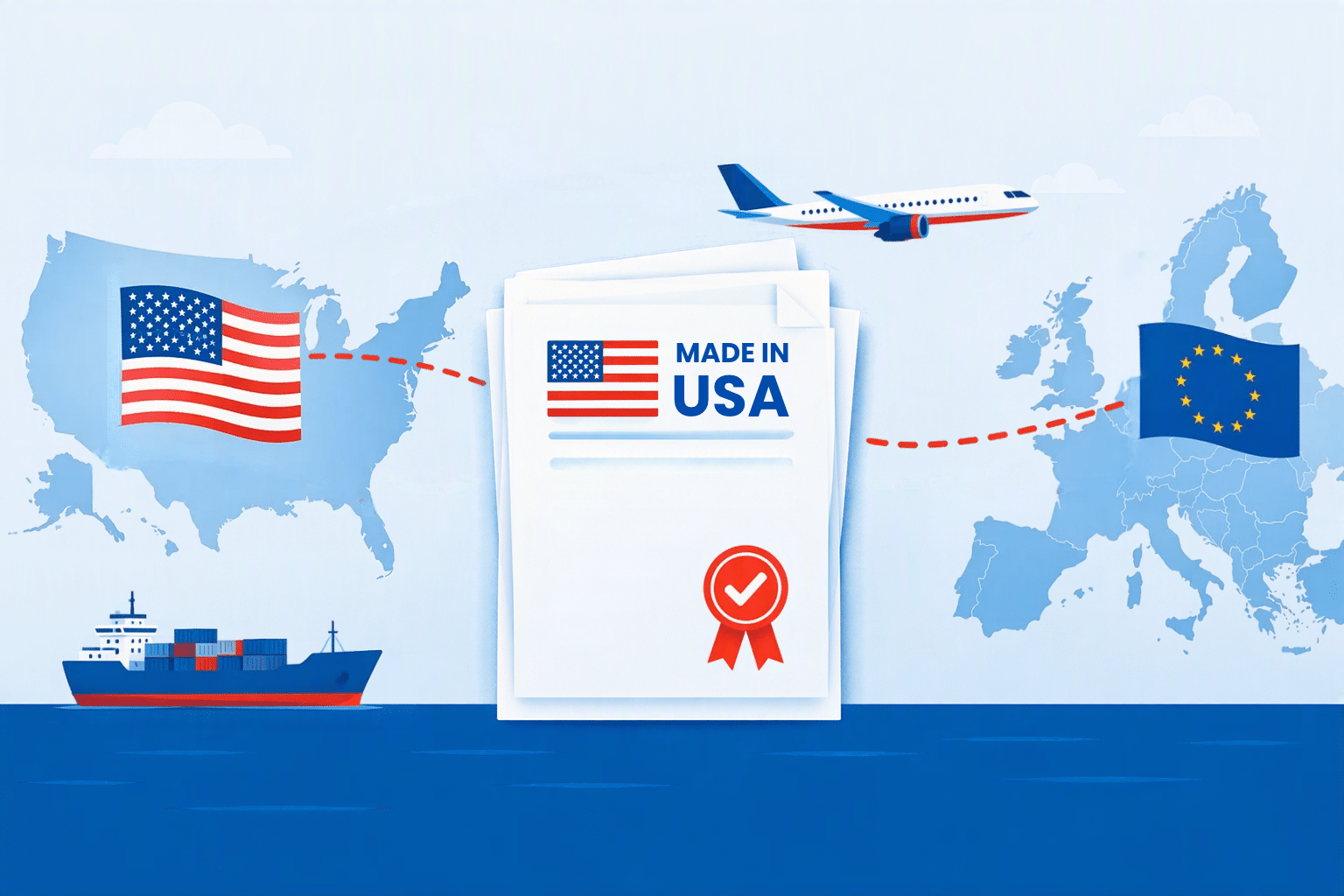
The PPWR affects companies that place packaging or packaged goods on the EU market. For imports from non-EU countries, this includes importers bringing packaged goods into the European Union.
The obligation may cover different packaging levels, including unit packaging, grouped packaging and transport packaging. In practice, this means importers should look not only at the product packaging visible to the customer, but also at cartons, film, pallets and other materials used to transport or secure the goods.
What changes for importers?
The most important change is the broader responsibility of importers for packaging accompanying goods. Importers must be able to show that packaging used by non-EU suppliers meets PPWR requirements.
Correct commercial or customs documents for the product will not be enough. Information on the packaging itself will become increasingly important, including material composition, weight, restricted substances and recyclability.
In practice, importers should prepare to obtain additional packaging information and documentation from suppliers. This applies in particular to data on material composition, test results, declarations of conformity and technical documentation.
This documentation may be required during inspections by competent market surveillance authorities. Customs authorities may cooperate with these authorities when imported packaging is inspected.
Documentation that may be required
Importers should be prepared to provide an EU declaration of conformity and technical documentation confirming that the packaging complies with the PPWR.
Depending on the packaging and product type, this may include:
- material composition data
- packaging weight data
- test results
- declarations of conformity
- technical documentation
- information on restricted substances
- evidence of recyclability
- information showing that packaging material has been minimised
- importer name and contact details, either on the packaging or in an accompanying document
The declaration of conformity confirms that the packaging meets the sustainability requirements set out in the PPWR.
Technical documentation should include descriptions of materials, design information, test results and evidence of compliance with limits on chemical substances and packaging weight minimisation requirements.
Proper labelling will also be important. The importer’s details, including name and contact information, should appear on the packaging or in an accompanying document if it is not possible to place them directly on the packaging.
EPR and national packaging registers
The PPWR is also important from the perspective of extended producer responsibility, or EPR. Importers are generally treated as entities placing packaging on the market of a given Member State. This means they need to check their registration and reporting obligations in each EU country where packaged goods are placed on the market.
In practice, this does not only apply to unit packaging visible to the consumer. It may also apply to master cartons, plastic film, pallets and other elements used to secure goods during transport.
National systems differ. In Poland, for example, this means verifying BDO registration and checking whether all relevant packaging fractions are covered. In other Member States, importers should check the relevant local packaging register, producer responsibility organisation or national EPR reporting system.
Why PPWR matters for customs and import processes
The PPWR is not only an environmental regulation. For importers, missing packaging documentation may create practical problems during inspections, market surveillance checks or customs-related controls.
If packaging compliance cannot be demonstrated, goods may face delays, additional checks or restrictions on being placed on the EU market.
This makes PPWR preparation relevant for procurement, logistics and customs teams. Packaging data should be collected before goods move, not only when an authority requests it.
Key dates
| Date | What applies |
|---|---|
| 11 February 2025 | The PPWR entered into force |
| 12 August 2026 | The main provisions of the regulation generally apply, including most administrative obligations for importers |
| 12 August 2026 | Restrictions on PFAS in food-contact packaging and limits on heavy metals in packaging materials become relevant |
| 12 August 2028 | Harmonised labels to facilitate packaging sorting are planned to apply |
| 1 January 2030 | All packaging must meet recyclability requirements, and certain transport and e-commerce packaging must comply with the 50% empty space limit |
What should importers do now?
Importers should begin by reviewing the packaging used in their supply chains.
Useful first steps include:
- mapping the packaging used by suppliers
- identifying packaging materials, weight and format
- checking whether packaging is unit, grouped or transport packaging
- requesting documentation from non-EU suppliers
- reviewing information on restricted substances and recyclability
- checking EPR registration in each relevant EU market
- updating procurement and supplier onboarding processes
It will be particularly important to obtain data from non-EU manufacturers in advance. Without documentation, it may be difficult to demonstrate packaging compliance during an inspection.
Companies should also review their registration and reporting obligations under the relevant national EPR systems. In Poland, this means verifying BDO registration and ensuring that all relevant packaging fractions are reported. In other Member States, similar checks should be made against the local producer responsibility system.
Why prepare early?
The new rules will gradually increase importer responsibility for packaging. Missing technical documentation or an inability to demonstrate packaging compliance may create problems during inspections, including detention of goods at the border or the need to withdraw them from the market.
The PPWR is not only an environmental regulation. It may also affect procurement, logistics, supplier cooperation, packaging costs and reporting obligations for importers.
Preparation should therefore start early, especially for companies importing goods from outside the European Union in large volumes or in many different types of packaging.