Customs Insights & Updates
Filter
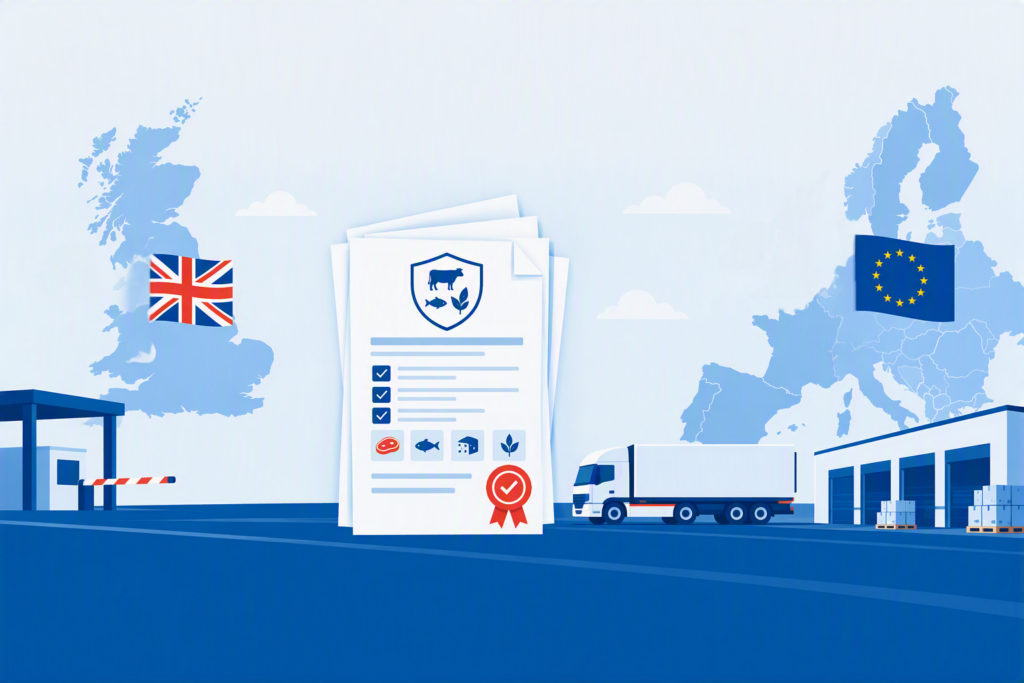
A consignment can be stopped at the British border in Kent. But the cause usually lies days earlier, at the loading bay in the EU.
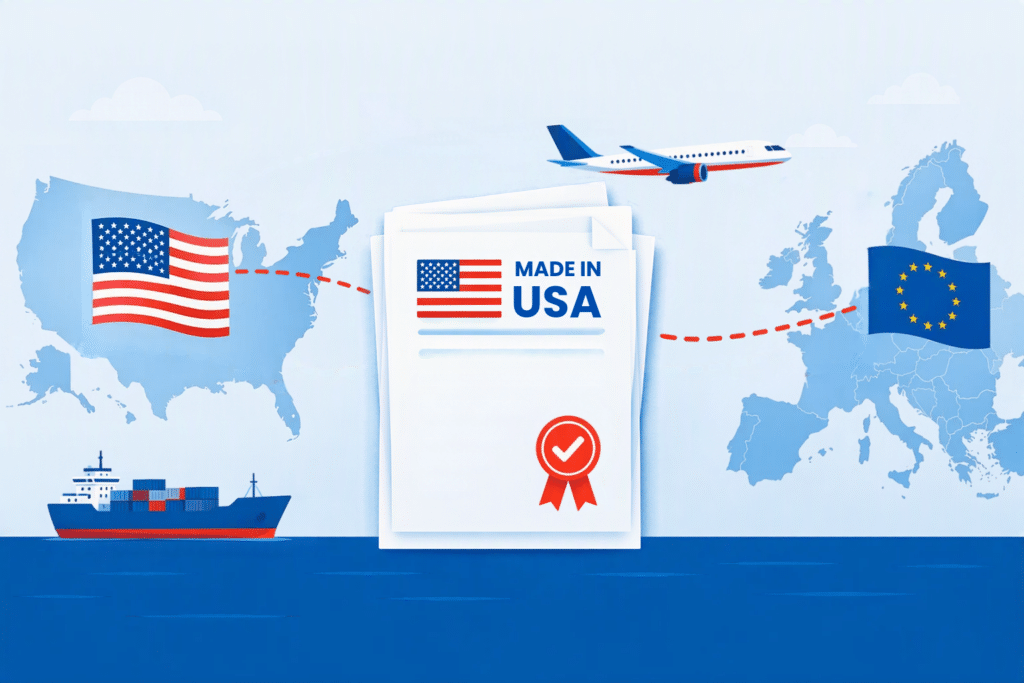
Zero or reduced duties on US goods only apply if you can prove US origin. The proof isn’t simple, and both importers and their customs representatives carry the risk if it’s wrong.
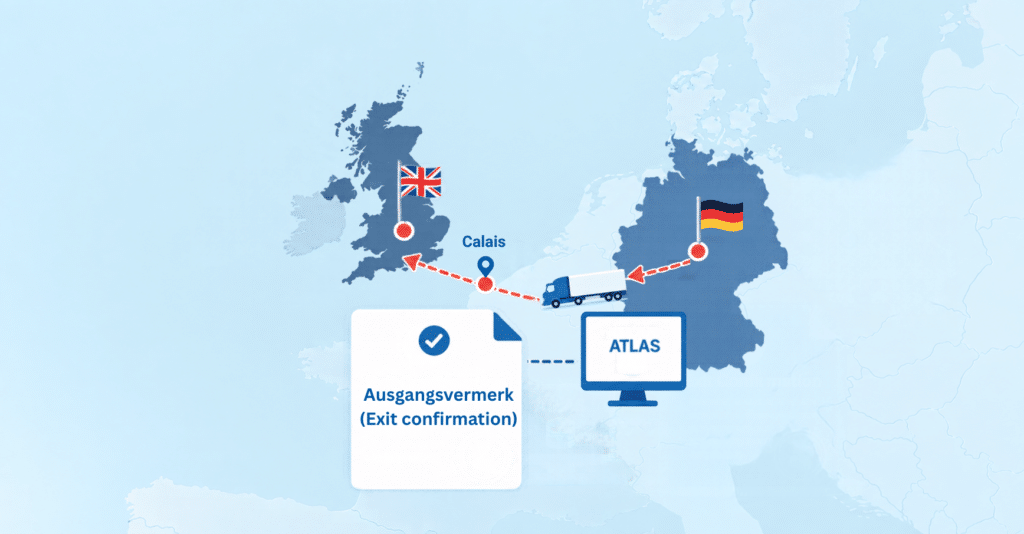
The goods have already arrived in the United Kingdom, but the German exit endorsement has not been issued. For German exporters using Calais, this is not an isolated case, and it can have consequences for VAT documentation.
From 1 January 2027, the United Kingdom will introduce a carbon border adjustment mechanism for carbon-intensive imports. For EU exporters, this means becoming a key data provider for British customers.

From 15 September 2026, Norway requires transport and consignment data to be filed digitally before the border. Here is what changes – and what you should do now.
For companies trading between the EU and the United States, customs is no longer a compliance formality. It now shapes delivery performance, duty exposure and working capital.

From August 2026, EU importers will face new packaging obligations under the PPWR. The rules affect not only products, but also the packaging used to bring goods into the EU market.

From 30 December 2026, the EU Deforestation Regulation will apply to the import and export of many raw materials and products. For affected companies, it will become part of customs clearance.

The EU is overhauling its customs legislation. A central data hub, a new customs authority and a new Trust-and-Check status will change how import and export procedures work.
No container leaves the seaport without a port reference. It acts as the customs release for loading. If it is missing, the goods remain at the terminal and additional costs may follow.