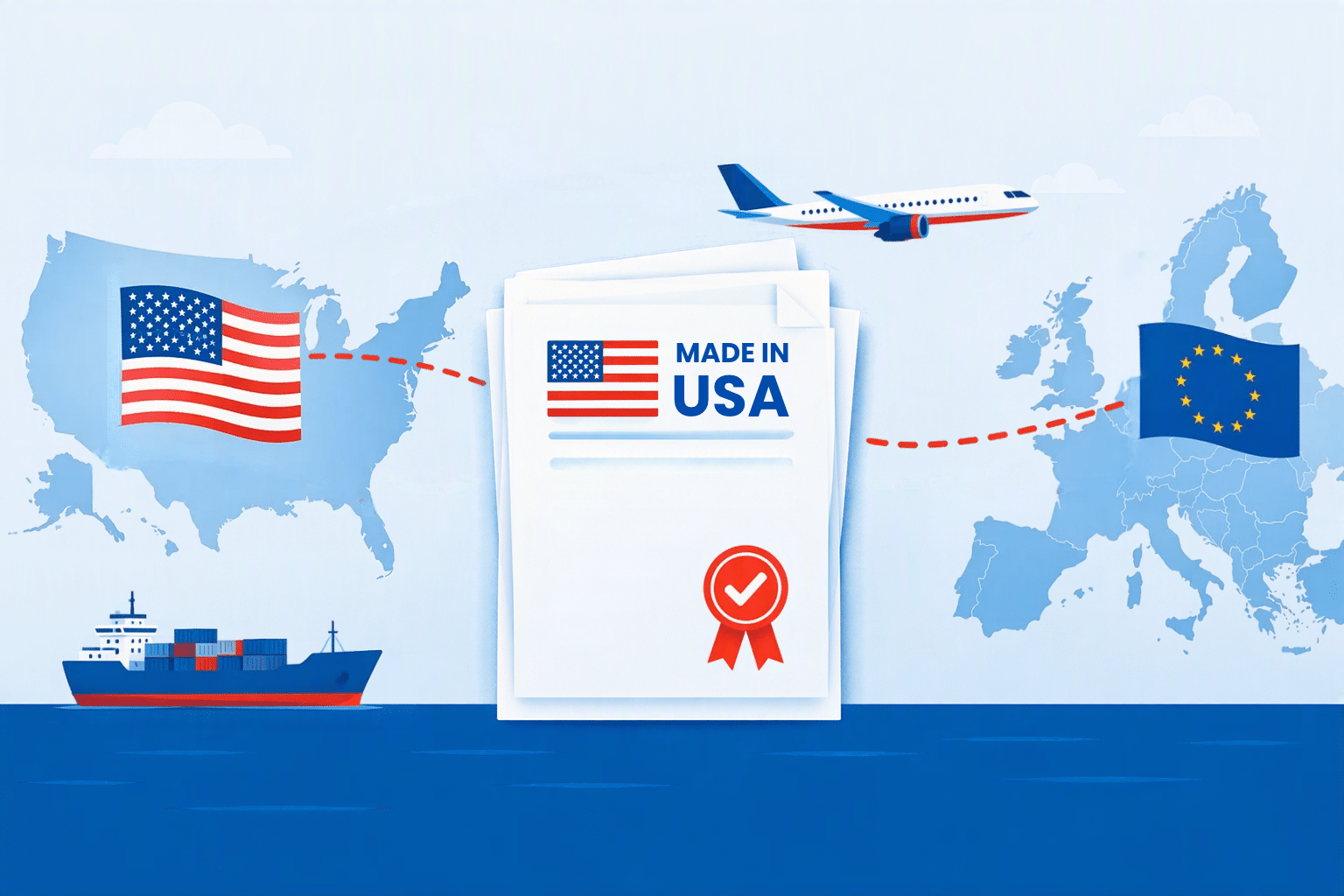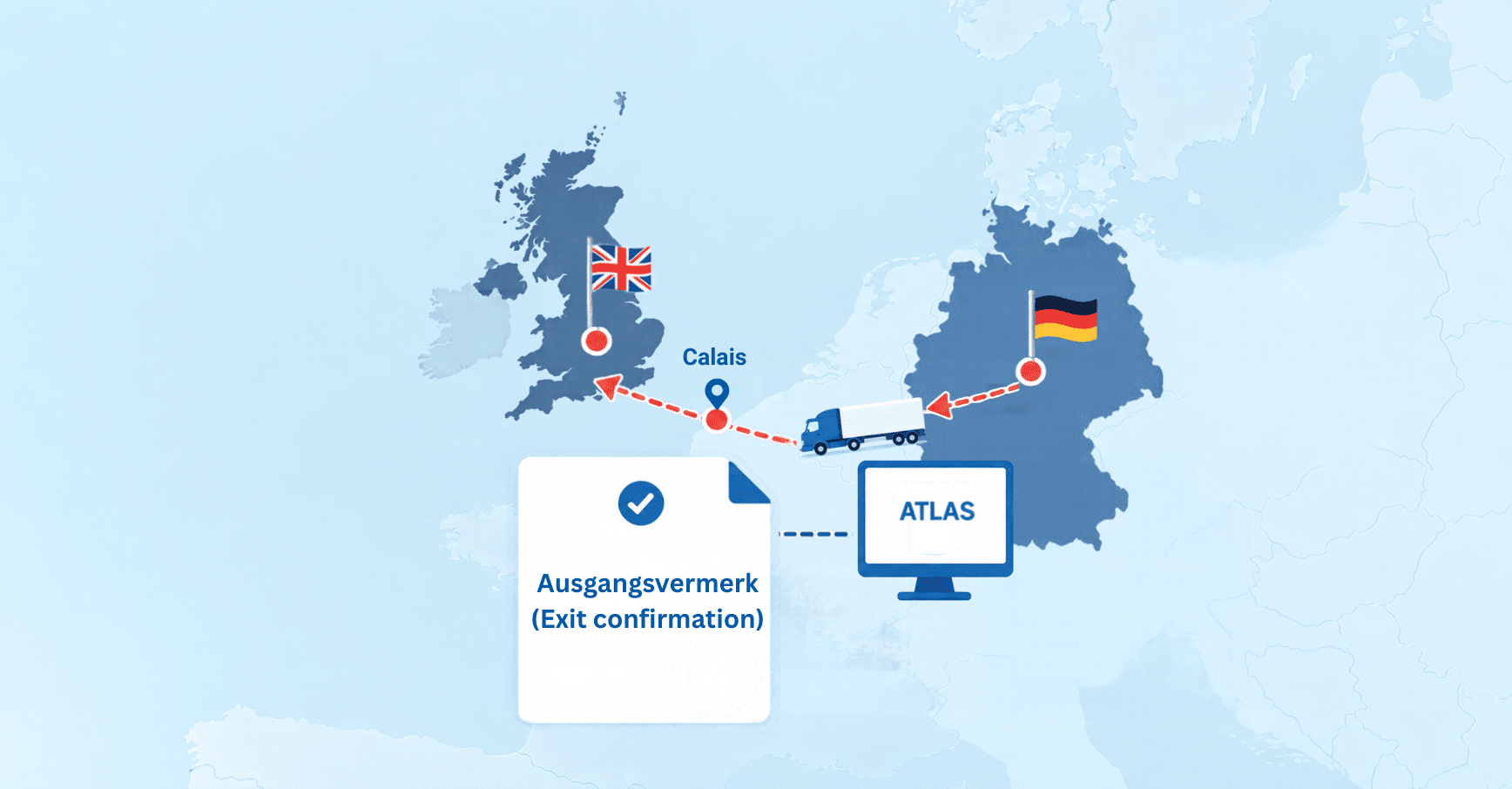

T2L(F) documents signify that goods are freely circulating within the European Union. A T2LF is utilized when the destination is within the EU’s customs territory but outside its VAT area. For all other scenarios, a T2L document should be employed.
The implementation of the new system will take place in 2 phases. The first phase, beginning on 1 March 2024, will see the transition from paper T2L(F) documents to their digital counterparts within the PoUS system. The second phase will incorporate the customs goods manifest, expected to be implemented by the third quarter of 2025.
What does this mean for your company?
To continue issuing T2L(F) documents, your company will need to access the PoUS system via the EU Customs Trader Portal, which requires eRecognition level 3. Paper T2L(F) documents will be phased out and replaced by a Movement Reference Number (MRN) generated through the new system. This MRN must be presented to the customs authorities of the country where the goods arrive. We recommend that companies review their supply chains to identify any necessary adaptations to this new process.
Gerlach Customs is here to support you
To access the PoUS system, you must log into the EU Customs Trader Portal, which necessitates eRecognition level 3. If you have any questions about this process, we will be happy to assist you. Please do not hesitate to contact your local Gerlach office regarding the use of these documents or the new system.